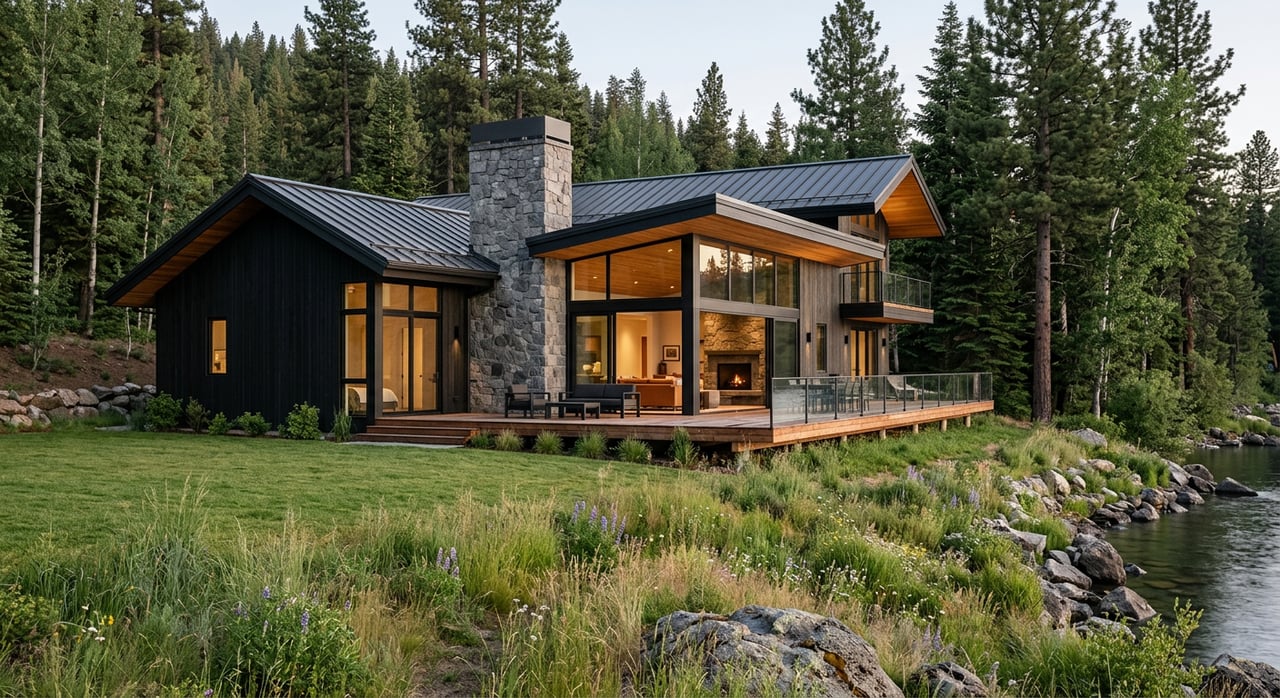
Want real lake time without giving up privacy? North Cape in 83814 offers a rare mix of estate‑scale acreage above the water and coveted shoreline parcels on Kidd Island Bay. Inventory is thin and timing matters, so it helps to understand how this micro‑market works before you make a move. In this guide, you’ll see current price bands, the two main property types, what drives value, and the permits and costs to plan for. Let’s dive in.
North Cape at a glance
North Cape is a small, low‑density pocket along S North Cape Rd and Kidd Island Bay. You tend to see two parallel product lines:
- Upland acreage of roughly 2 to 10+ acres with filtered or secondary lake views.
- True waterfront parcels or older homes on the shoreline with higher price per foot of frontage.
Active listings appear intermittently rather than on a steady cycle. That scarcity, paired with lake access and privacy, keeps prices resilient even when broader markets soften.
What’s on the market now
Inventory fluctuates week to week, but recent MLS activity checked in March 2026 shows the pattern below. These are representative examples to help you frame expectations:
- Upland acreage, estate scale. A roughly 6.15‑acre parcel near the North Cape tip was marketed in the ~600,000 to 725,000 band (MLS listing, checked March 2026). This is typical for private, wooded acreage with partial lake views.
- Shovel‑ready waterfront lot. A Kidd Island Bay parcel with about 100 feet of frontage and utilities on site was offered around 1.95 to 1.995 million (MLS listing, checked March 2026). Small shoreline sites command a premium price per foot.
- Existing lakefront homes. Waterfront homes and legacy estates in the area commonly trade from about 1 million into the 5 million range depending on frontage, square footage, and improvements (MLS activity, checked March 2026).
For context, broader zip‑code medians in 83814 sit far below luxury waterfront, generally in the mid 300,000s to 500,000s depending on source. You can review a zip snapshot at Zip Code Facts for 83814. Premium lake parcels and waterfront homes transact at substantial multiples of those medians due to location, frontage, and scarcity.
Key pricing drivers in North Cape
Utilities and septic
The single biggest swing factor on land value is whether a parcel has community water and sewer or requires a private well and a new septic system. Many North Cape properties are off municipal sewer. New septic systems require a site evaluation and a permit from the Panhandle Health District. Review the process and records via Panhandle Health District septic permits.
- Community systems shorten timelines and lower uncertainty.
- Private systems add design, permitting, and installation costs, which vary by soils and setbacks.
Zoning and subdivision
Much of the area is zoned AG‑Suburban with a typical minimum lot size of 2.00 acres. Overlays, including the Rathdrum Prairie aquifer protections, can push effective minimums higher and limit density, which affects whether acreage can be split. Always confirm with Kootenai County planning and review official language in the county materials. A planning packet excerpt with relevant references is available in the Coeur d’Alene planning documents.
Topography, soils, and site work
Upland parcels often include steep slopes and variable near‑shore sediments, which can impact driveways, foundation design, retaining, and drainfield engineering. Early geotechnical input reduces surprises. The Idaho Geological Survey maps show surface geology and near‑shore conditions around Coeur d’Alene; see the surficial geologic map for the Coeur d’Alene quadrangle.
Shoreline and dock permitting
Adding or modifying docks typically requires a joint, multi‑agency review that can include the U.S. Army Corps of Engineers, Idaho Department of Water Resources, and Idaho Department of Lands, along with water‑quality certification when applicable. For an overview of what to expect, read the Coeur d’Alene Basin’s guide to permits for working near water.
Who is buying in North Cape
Buyer activity clusters around three groups:
- Out‑of‑state lifestyle buyers looking for a lake and mountain base or a second home near town. Local reporting highlights Kidd Island Bay and nearby areas as desirable for summer lake living and quick water access to downtown. See the Coeur d’Alene Press feature on Kidd Island Bay.
- Retirees and affluent privacy seekers who prioritize larger, treed parcels with room for a shop, guest suite, or garden.
- Selective investors and small builders who occasionally take on custom builds where zoning and soils align. Short‑term rental models are more common in high‑amenity, closer‑in communities with ready utilities.
North Cape vs. closer‑in lake communities
North Cape trades some everyday convenience for privacy and acreage. Closer‑in neighborhoods like Black Rock and other resort‑adjacent enclaves often bring higher base pricing, installed utilities, gated entries, and club or marina amenities. Values there frequently reach the multimillion range for custom estates and premium waterfront lots.
What to weigh:
- North Cape advantages: larger parcels, strong sense of seclusion, and direct lake access with a short boat ride to downtown.
- Closer‑in advantages: finished amenities, turnkey utilities, and immediate proximity to resort‑side services.
Your best fit depends on whether you value acreage and privacy or a packaged amenity lifestyle.
Due diligence checklist for buyers and builders
Use this list to pressure‑test a site or home early in your search:
- Verify listing history and status. Confirm current price, days on market, and any past pending status via MLS records.
- Confirm zoning and overlays. Check parcel zoning, minimum lot size, and whether aquifer rules apply. Start with the county materials referenced in the Coeur d’Alene planning documents, then call Kootenai County planning to confirm.
- Septic records and feasibility. Request records and schedule a site evaluation with the Panhandle Health District. Permits are required for new systems and approvals depend on soils, groundwater depth, and projected daily flow. See PHD septic permits and records.
- Utility availability. Ask for written confirmation of community water/sewer or plan for private well and septic. Verify power, fiber, and any propane or natural gas options.
- Easements, HOAs, and slip rights. Obtain CC&Rs, easements, and marina or community dock rules in writing if a slip is part of the value.
- Geotechnical and slope checks. Order a soils and slope assessment. Reference the Idaho Geological Survey map to understand local conditions and discuss with your engineer.
- Shoreline and dock permits. Map out the multi‑agency path and timelines using the basin guide to working near water permits.
- Taxes and assessments. Pull the current tax bill and confirm any special levies with the Kootenai County Assessor.
What to budget beyond the purchase price
Costs vary by parcel, slope, and utilities, so get local bids. Here are common items to plan for:
- Septic design and installation. A typical North Idaho 4‑bedroom system can fall in the low to mid five figures, while engineered systems for shallow soils or tighter setbacks can be higher. See permitting steps at Panhandle Health District and general installer guidance from Qube Septic’s Idaho guide.
- Driveway, grading, and retaining. Steeper upland sites often need road work, benching, and engineered walls. The Idaho Geological Survey map highlights variable near‑shore sediments that can inform your contractor’s estimate.
- Shoreline and dock permitting. Simple adjustments may qualify under streamlined federal permits, while new or larger structures can require individual reviews. Expect months for multi‑agency coordination. Start with the basin overview of near‑water permits.
Strategy tips for 2026 buyers and sellers
- Decide on your lane early. Are you prioritizing waterfront frontage or acreage and views above the bay? This choice drives your search and budget.
- Confirm utilities at the outset. Community water and sewer can justify a premium. If not available, build septic timelines into your plan.
- Line up your expert team. Engage a local agent who knows shoreline permitting, a geotech, a septic designer, and a dock consultant before writing offers.
- Use real comps in North Cape. Nearby resort communities can be pricier per acre and not apples‑to‑apples.
- Be ready to move. Thin inventory means the right parcel or home may not come back soon if you pass.
If you are weighing a North Cape build, remodel, or waterfront purchase, you do not have to map this alone. With fourth‑generation local roots and deep waterfront experience, we can help you pressure‑test value, line up permits, and navigate a clean closing. Connect with Griffin Realty Group to craft a clear plan tailored to your goals.
FAQs
What should I expect to pay for North Cape waterfront land in 2026?
- Recent examples show small, shovel‑ready lots with roughly 100 feet of frontage near Kidd Island Bay around 1.95 to 1.995 million, while upland acreage without frontage can land in the 600,000 to 700,000 range depending on views and access (MLS activity checked March 2026).
Can I split a 6‑acre North Cape parcel into multiple lots?
- It depends on zoning and overlays. AG‑Suburban often requires a 2.00‑acre minimum, and aquifer protections can push effective minimums higher. Confirm with county planning and review the county’s referenced standards in the planning documents.
Do most North Cape parcels need a new septic system?
- Many parcels are off municipal sewer. New systems require a site evaluation and a permit through the Panhandle Health District, which assesses soils, groundwater, and projected daily flow. Start here: PHD septic permits and records.
What does it take to add a dock on Lake Coeur d’Alene near North Cape?
- Dock and shoreline work typically go through a joint process with federal and state agencies. Requirements, fees, and timelines vary by scope. Review the basin’s overview of near‑water permits and build it into your schedule.
How does North Cape compare with Black Rock if I want amenities?
- North Cape offers larger lots and privacy, with a short boat ride to downtown. Closer‑in resort communities often provide gated entries, club options, utilities in place, and higher base pricing. Choose based on whether you value acreage or packaged amenities.
Are short‑term rentals common right on North Cape’s shoreline?
- Some investors buy in the area, but short‑term rentals are more prevalent in high‑amenity, closer‑in lake communities with easier municipal services. Confirm local rules, HOA policies, and utility setup before you underwrite a rental model.