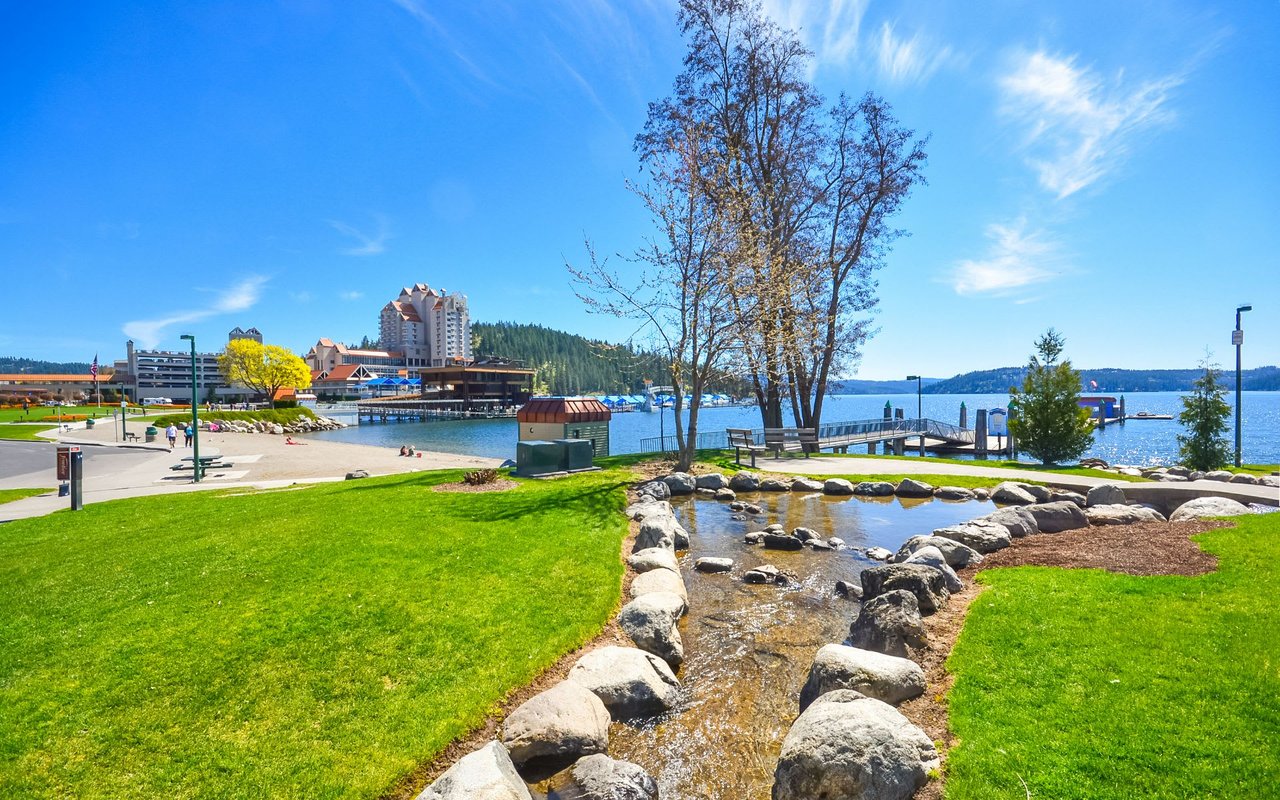
A revitalized, walkable Coeur d'Alene neighborhood blending historic bungalows with a thriving pedestrian-friendly commercial scene
Midtown Coeur d'Alene is one of the city's most dynamic and rapidly evolving neighborhoods — a district where residential homes, parks, commercial buildings, shops, and restaurants intertwine to create a genuinely walkable, community-oriented atmosphere just outside the downtown core. Unlike neighborhoods with clearly drawn boundaries, Midtown's identity is defined less by geography and more by the diverse mix of local businesses and character homes that thrive within it — a district that has come into its own over the past two decades as one of Coeur d'Alene's most sought-after inner-city addresses.
Residents enjoy proximity to the downtown Coeur d'Alene corridor, Lake Coeur d'Alene, and a growing collection of independently owned cafés, shops, and restaurants, all reachable on foot or by bike. Midtown's combination of urban amenities and residential tranquility makes it one of the most balanced lifestyle options in the entire Coeur d'Alene market.
Midtown's residential character developed alongside Coeur d'Alene's early 20th-century growth, with many of the neighborhood's bungalows and cottages built in the early 1900s to house the tradespeople, merchants, and families who built the city's commercial core. That original housing stock — modest, character-rich, and built to last — remains one of Midtown's defining assets today.
The term "Midtown" itself gained popular use during a 2008 revitalization project that infused the area with public art installations and significantly enhanced pedestrian-friendly infrastructure. That investment sparked a wave of local business growth, drawing a community of residents and patrons who now live within convenient walking or biking distance of the shops, restaurants, and gathering spaces that define the neighborhood's modern identity.
Midtown offers something genuinely distinctive within the Coeur d'Alene market: an established, walkable neighborhood with authentic early-1900s architecture, a thriving independent business corridor, and immediate proximity to downtown — all without the density or price ceiling of the lakefront core. Buyers who choose Midtown are choosing a lifestyle built around walkability, community connection, and the particular charm of a neighborhood that has been deliberately revitalized rather than newly built.
Midtown's proximity to downtown Coeur d'Alene's dining, shopping, and lakefront amenities gives residents genuine urban connectivity, while the neighborhood's own commercial pockets — cafés, boutiques, and local restaurants — mean daily life rarely requires leaving the immediate area. That combination of urban vitality and residential calm is what continues to draw buyers to Midtown over newer, more car-dependent Coeur d'Alene subdivisions.
Young Professionals and Remote Workers
Midtown's walkability, proximity to downtown employment and lakefront recreation, and its collection of local cafés and gathering spaces attract Coeur d'Alene's growing base of professionals and remote workers who want urban connectivity without sacrificing neighborhood character.
Creatives and Small Business Owners
The neighborhood's 2008 revitalization brought public art and a wave of independent business growth, drawing entrepreneurs and creative professionals who value Midtown's walkable commercial scene and community-oriented atmosphere.
Long-Time Coeur d'Alene Residents
Many of Midtown's early-1900s bungalows have been held by families for generations, reflecting the depth of attachment the neighborhood generates among those who have chosen it.
Families
Midtown's walkable streets, nearby parks, and proximity to downtown cultural programming make it appealing to families who want an established, in-town neighborhood rather than a newer suburban subdivision on the city's edges.
Investors and Renovation Buyers
With a strong rental history and a supply of turnkey and renovation-ready bungalows, Midtown continues to attract investors and buyers seeking cash-flowing or long-term-appreciation properties in a neighborhood described as being "in the direct path of progress.
Midtown and the surrounding Downtown Coeur d'Alene corridor represent one of the city's more dynamic residential markets. As of mid-2026, median home prices in the broader Downtown Coeur d'Alene area range from roughly $896,000 to $910,000, though Midtown itself offers a genuinely wide range of housing types and price points — from charming, updated 1915-era bungalows to newer condominium and townhome product, giving buyers considerably more flexibility than the city's higher-end lakefront listings.
Homes in the Downtown Coeur d'Alene area, which includes Midtown, have recently sold after an average of roughly 71 days on market — a pace that reflects genuine buyer interest tempered by a market adjusting from the more frenzied conditions of prior years. Midtown's proximity to downtown, combined with its walkable commercial corridor and historic housing stock, continues to support strong long-term demand even as broader market pricing has moderated.
Early 1900s Bungalows and Cottages
Midtown's defining residential type — modest, character-rich homes built in the early 20th century, many featuring original woodwork and charm alongside modern updates like new flooring, appliances, and mechanical systems.
Renovated and Updated Historic Homes
A meaningful share of Midtown's market consists of thoughtfully renovated historic properties — vintage character preserved on the exterior, with interiors updated to current standards for kitchens, bathrooms, and major systems.
Condominiums and Townhomes
Midtown and the adjacent downtown corridor offer a growing supply of condominium and townhome product, including luxury developments with lake views, giving buyers a lower-maintenance alternative to single-family bungalow ownership.
Small Multi-Family and Investment Properties
Midtown includes a number of small multi-family buildings and investment-grade properties with strong rental histories, appealing to investors drawn to the neighborhood's walkability and ongoing revitalization.
Historic Home Maintenance
Many Midtown homes date to the early 1900s. While they offer authentic character, buyers should budget for maintenance and potential updates to mechanical systems, particularly in properties that haven't been recently renovated.
Walkability and Downtown Proximity
Midtown offers some of Coeur d'Alene's strongest walkability, with direct access to downtown dining, shopping, and lakefront amenities. Buyers who prioritize an active, car-light lifestyle will find Midtown among the city's best-positioned neighborhoods for that preference.
Neighborhood Boundaries and Characters
Because Midtown doesn't have clearly defined boundaries, buyers should evaluate the specific block and its proximity to the commercial corridor and public art installations that define the neighborhood's revitalized character.
Long-Term Value
Midtown's ongoing revitalization, walkable commercial growth, and proximity to downtown Coeur d'Alene have supported sustained buyer interest, positioning the neighborhood well for continued long-term demand.
Lead with Walkability and Revitalization
Midtown's greatest selling advantage is its combination of downtown proximity, walkable local businesses, and the neighborhood's ongoing transformation since the 2008 revitalization. Marketing should foreground these lifestyle assets alongside the property's specific character.
Showcase Historic Character
Original woodwork, vintage details, and mature landscaping differentiate Midtown homes from newer Coeur d'Alene construction. Professional photography that captures these features helps properties stand out.
Price to Neighborhood-Specific Comparables
Given Midtown's mix of historic bungalows, renovated homes, and newer condos, pricing should reflect property-specific comparables — renovation quality, lot size, and proximity to the commercial corridor all drive meaningful variation.
Prepare Historic Properties
Pre-listing inspections and addressing deferred maintenance — particularly mechanical systems and roofing — help build buyer confidence and reduce the risk of renegotiation after inspection.
What makes Midtown Coeur d'Alene unique?
Midtown's combination of early-1900s bungalow architecture, a revitalized and walkable commercial corridor born from a 2008 public art and infrastructure initiative, and immediate proximity to downtown Coeur d'Alene and Lake Coeur d'Alene creates a distinctive lifestyle that few other Coeur d'Alene neighborhoods can match.
What types of homes are available in Midtown?
Midtown offers early 1900s bungalows and cottages, renovated and updated historic homes, condominiums and townhomes, and small multi-family investment properties.
Is Midtown walkable?
Yes. Midtown and the surrounding downtown corridor are considered very walkable and bikeable, with residents able to reach local cafés, shops, restaurants, and downtown amenities on foot or by bike.
Is Midtown good for families?
Yes. The neighborhood's walkable streets, nearby parks, and proximity to downtown cultural programming make it appealing to families who want an established, in-town neighborhood with genuine character.
Are home values strong in Midtown?
Yes. Median home prices in the broader Downtown Coeur d'Alene area, which includes Midtown, have shown meaningful year-over-year growth, supported by the neighborhood's walkability, historic character, and ongoing revitalization.
Is Midtown a good place to retire?
Yes. Manageable home sizes, walkable access to downtown Coeur d'Alene's dining, shopping, and lakefront amenities, and the neighborhood's relaxed, community-oriented character make Midtown an appealing option for retirees who want to stay engaged in city life without the price premium of the immediate lakefront.
26,640 people live in Mid Town CDA, where the median age is 45 and the average individual income is $49,422. Data provided by the U.S. Census Bureau.
Total Population
Median Age
Population Density Population Density This is the number of people per square mile in a neighborhood.
Average individual Income
There's plenty to do around Mid Town CDA, including shopping, dining, nightlife, parks, and more. Data provided by Walk Score and Yelp.
Explore popular things to do in the area, including Mimi & Frankie's Kitchen, Tony's on the Lake, and Floating Green Restaurant.
| Name | Category | Distance | Reviews |
Ratings by
Yelp
|
|---|---|---|---|---|
| Dining | 1.35 miles | 0 reviews | 0/5 stars | |
| Dining · $$$ | 1.75 miles | 337 reviews | 4/5 stars | |
| Dining · $ | 1.87 miles | 47 reviews | 3.3/5 stars | |
| Dining · $$ | 2.35 miles | 145 reviews | 4.3/5 stars | |
| Dining · $$ | 2.44 miles | 295 reviews | 4.4/5 stars | |
| Dining | 2.46 miles | 0 reviews | 0/5 stars | |
| Dining | 2.48 miles | 3 reviews | 3.7/5 stars | |
| Dining | 2.49 miles | 0 reviews | 0/5 stars | |
| Dining · $$ | 2.49 miles | 392 reviews | 4.4/5 stars | |
| Active | 1.81 miles | 18 reviews | 4.7/5 stars | |
| Active | 1.87 miles | 0 reviews | 0/5 stars | |
| Active | 1.94 miles | 41 reviews | 4.4/5 stars | |
| Active | 2.14 miles | 0 reviews | 0/5 stars | |
| Active | 2.18 miles | 0 reviews | 0/5 stars | |
| Active | 2.25 miles | 0 reviews | 0/5 stars | |
| Active | 2.26 miles | 11 reviews | 4.2/5 stars | |
| Active | 2.37 miles | 0 reviews | 0/5 stars | |
| Nightlife | 2.38 miles | 0 reviews | 0/5 stars | |
| Nightlife | 2.48 miles | 0 reviews | 0/5 stars | |
| Beauty | 2.31 miles | 0 reviews | 0/5 stars | |
| Beauty | 2.49 miles | 0 reviews | 0/5 stars | |
| Beauty | 2.5 miles | 0 reviews | 0/5 stars | |
|
|
||||
|
|
||||
|
|
||||
|
|
||||
|
|
||||
|
|
Mid Town CDA has 11,915 households, with an average household size of 2.17. Data provided by the U.S. Census Bureau. Here’s what the people living in Mid Town CDA do for work — and how long it takes them to get there. Data provided by the U.S. Census Bureau. 26,640 people call Mid Town CDA home. The population density is 137 and the largest age group is Data provided by the U.S. Census Bureau.
Total Population
Population Density Population Density This is the number of people per square mile in a neighborhood.
Median Age
Men vs Women
Population by Age Group
0-9 Years
10-17 Years
18-24 Years
25-64 Years
65-74 Years
75+ Years
Education Level
Total Households
Average Household Size
Average individual Income
Households with Children
With Children:
Without Children:
Marital Status
Blue vs White Collar Workers
Blue Collar:
White Collar: